
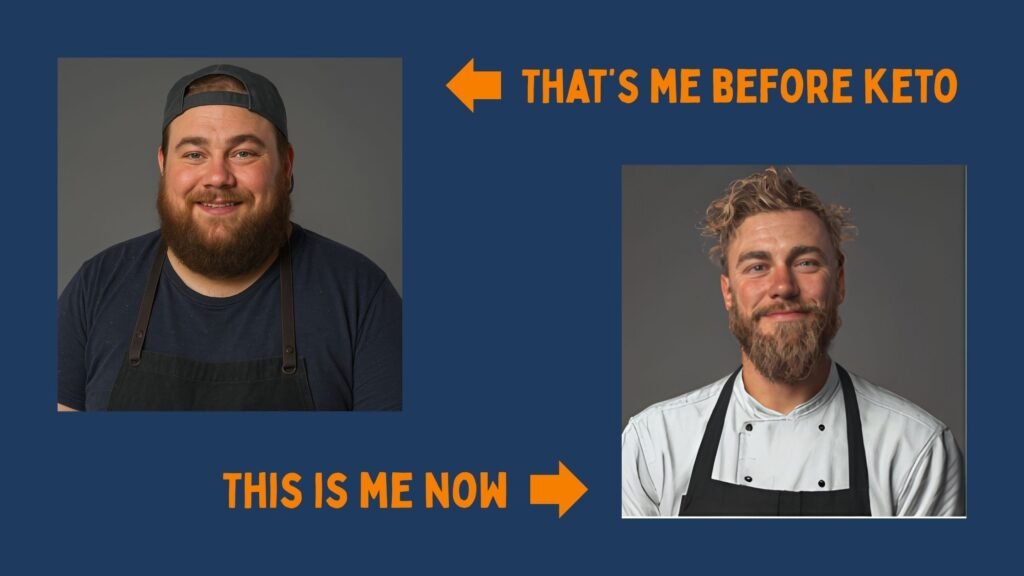
After being on keto for several years, I’ve been asked just about every question you can imagine—from what to eat to how to handle cravings. If you’re just getting started, you’re in the right place. Here are answers to the most common questions I hear from beginners who want to make keto simple, sustainable, and enjoyable.
Getting Started
What is the keto diet?
Keto is a low-carb, high-fat way of eating. When you eat very few carbs, your body burns fat for fuel (ketosis). That can help with energy and weight loss.
How do I start keto?
Cut your carbs to about 20 net grams per day. Build meals with protein, healthy fats, and low-carb veggies. Drink water and add salt to feel good.
How long until I’m in ketosis?
Most people reach ketosis in 2–7 days. Staying under 20 net carbs and being active can help. Be patient—your body is switching fuel sources.
How do I know if I’m in ketosis?
You may feel less hungry, have steady energy, or notice “keto breath.” Urine strips or a blood meter can also show ketones.
Carbs, Macros, and Tracking
How many carbs can I eat on keto?
Aim for 20 net carbs or less per day. Net carbs = total carbs minus fiber (and some sugar alcohols).
Do I need to count calories?
Not at first for many people. Focus on low carbs and eating until satisfied. If weight loss stalls, start tracking.
What should my macros be?
Keep carbs very low, protein moderate, and let fat fill you up. A simple start: 20g net carbs, enough protein to feel strong, and fat to feel full.
Can I eat too much protein on keto?
Yes, a bit. Too much protein can make it harder to stay in ketosis. Aim for a moderate amount at each meal.
Food & Drink
What foods can I eat?
Meat, fish, eggs, cheese, healthy oils, and low-carb veggies like greens, broccoli, and zucchini. Avocado, olives, and nuts (in small amounts) are great too.
What should I avoid?
Sugar, bread, pasta, rice, cereal, potatoes, and most sweets. Skip most processed foods and anything with lots of starch.
Can I eat fruit?
Most fruit is high in sugar. Small portions of berries are okay. Avocado and olives are perfect.
Can I have dessert?
Yes—keto treats made with low-carb sweeteners like stevia or erythritol. Keep them as “sometimes” foods to avoid cravings.
What can I drink?
Water, coffee, and tea are best. You can use a little heavy cream and low-carb sweeteners. Diet soda is okay for some people.
Can I drink alcohol?
In moderation. Choose dry wine or spirits with soda water. Avoid beer and sugary cocktails.
Side Effects & Health
What is the “keto flu”?
It’s a short phase where you might feel tired, headachy, or grumpy. Drink water, add salt, and get magnesium and potassium. It usually passes in a few days.
I’m constipated—help!
Drink more water and add salt. Eat leafy greens, chia or flax, and consider magnesium. A bit more fat can also help.
My breath smells weird.
That can be “keto breath” and means you’re making ketones. It often fades with time. Stay hydrated and use sugar-free mints.
Is keto safe?
For most healthy adults, yes. If you take meds or have a condition, talk to your doctor first. Focus on whole foods and listen to your body.
Will all this fat hurt my heart?
Keto can improve many heart markers for some people. Choose healthy fats like olive oil, avocado, fish, and nuts. Get labs checked if you’re concerned.
Lifestyle & Social
How do I do keto on a budget?
Buy eggs, canned fish, ground meats, chicken thighs, and frozen veggies. Cook simple meals and shop sales. Skip pricey “keto” snacks.
What if I don’t like to cook?
Keep it simple: rotisserie chicken, bagged salads, deli meats, cheese, eggs, frozen veggies. Repeat easy meals you enjoy.
How do I eat out?
Order meat or fish and swap fries or rice for veggies or salad. Ask for sauces on the side. Bunless burgers work almost anywhere.
How do I handle parties and holidays?
Eat a keto meal before you go and bring a keto dish to share. Fill your plate with protein and veggies. It’s okay to say “no, thank you.”
Can I have a cheat day?
You can, but it will knock you out of ketosis. Getting back on track may take a few days. Many people do better without cheats, especially early on.
Progress & Plateaus
How fast will I lose weight?
Week one can drop water weight. After that, 1–2 pounds per week is common. Results vary by person.
I stopped losing—what now?
Track your food for a week. Cut back on nuts, cheese, and keto treats. Don’t snack, sleep well, move more, and stay under 20 net carbs.
Should I try intermittent fasting?
Maybe, once you’re used to keto. Many people do well with two or three meals and no snacks. Start simple and see how you feel.
Special Situations
Can I do keto and exercise?
Yes. Walking, lifting, and most sports work fine. Give your body a couple of weeks to adapt.
Is keto okay for diabetes?
Keto can lower blood sugar for many people. If you take meds, talk to your doctor before starting and monitor closely.
Can I do dairy on keto?
Many people can. Choose cheese, butter, and heavy cream in small amounts. If weight loss stalls, try reducing dairy.
What about fiber?
Get fiber from leafy greens, broccoli, cauliflower, chia, and flax. These help digestion and keep you full.
Do I need supplements?
Electrolytes (salt, magnesium, potassium) help a lot, especially at the start. A basic multivitamin can be a nice backup.
What are common beginner mistakes?
Not enough salt and water, too few fats, hidden carbs, and too many snacks and “keto treats.” Keep carbs low, eat simple meals, and be patient.
Starting keto can feel like a big change, but remember—you don’t have to be perfect to make progress. Every small step counts, and consistency matters more than speed. Be patient with yourself as your body adjusts, celebrate the wins (even the little ones), and don’t quit when it feels slow. You’re building new habits and a new way of living, one meal at a time. Stay focused, stay kind to yourself, and trust that the results will come—you’ve got this.